
Introduction
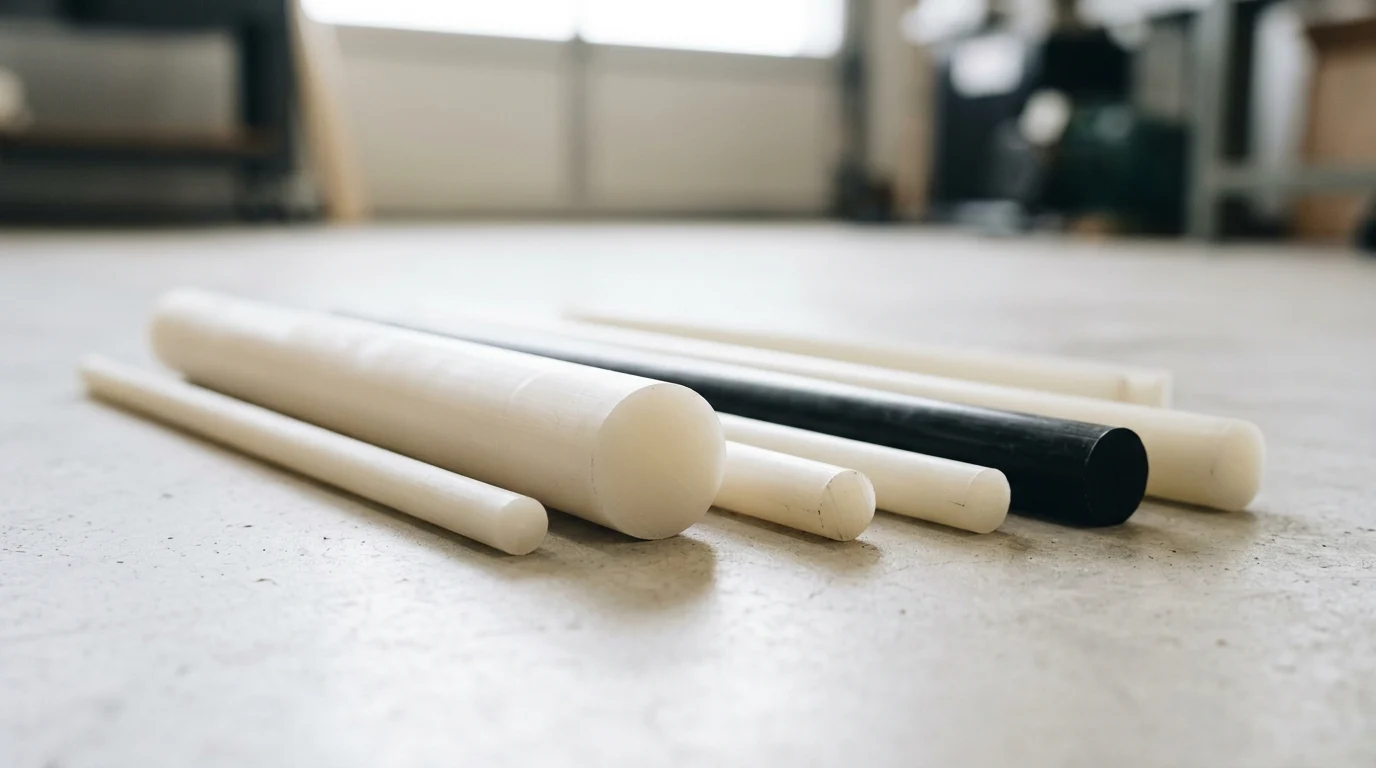
Conveyor systems are being redesigned around lighter, quieter, and lower-maintenance components, especially in high-speed packaging, bottling, and material-handling environments. Extruded nylon profiles have become a practical alternative to stainless steel and aluminum wear parts because they combine strength, low friction, impact resistance, and design flexibility in a single material. This article explains why engineers are specifying custom nylon profiles for guide rails, wear strips, chain supports, and other conveyor components, and how the shift can reduce noise, energy use, lubrication needs, and downtime. It also sets up the key performance factors to consider when comparing engineered nylon with traditional metal parts.
Why Custom Extruded Nylon Profiles Replace Metal Conveyor Parts
In modern bottling plants and packaging facilities, the clanking metal-on-metal sounds of the past are largely gone. Over the last decade, plant managers and engineers have aggressively phased out stainless steel and aluminum wear components. In their place, high-performance polymers are utilized to keep lines moving faster and quieter.
The standout material driving this shift is extruded nylon. By swapping out traditional metals for engineered plastics, facilities experience significant reductions in maintenance downtime and energy consumption. This transition highlights exactly why polymer profiles are fundamentally changing the conveyor industry.
How Nylon Profiles Reduce Wear, Noise, and Weight
A primary advantage of this material conversion is the sheer weight difference. Standard extruded nylon has a specific gravity of around 1.14, whereas carbon steel sits at 7.85, making nylon roughly one-seventh the weight of steel. Replacing hundreds of feet of metal wear strips with extruded nylon profiles drastically reduces the dead weight on the conveyor frame and the load on drive motors.
Beyond weight, the inherent self-lubricating properties of nylon significantly lower the friction coefficient against conveyor belts and chains. This reduced friction translates directly into less wear and tear. Additionally, swapping metal for nylon yields a substantial noise reduction in high-speed operations, providing a major benefit for workplace safety and regulatory compliance.
Where Nylon Conveyor Components Outperform Metal
The highest return on investment typically comes from high-friction contact points, such as chain guides, wear strips, star wheels, and curved tracks. In these areas, metal parts require constant lubrication to prevent galling and premature belt failure.
When facilities install nylon guide rails instead, the need for external grease drops to near zero. Switching to nylon chain guides can substantially extend the life of a modular plastic conveyor belt simply because the abrasive metal contact is eliminated. It is in these continuous-wear applications that nylon truly outshines traditional alloys.
How Engineers Compare Extruded Nylon and Metal Parts
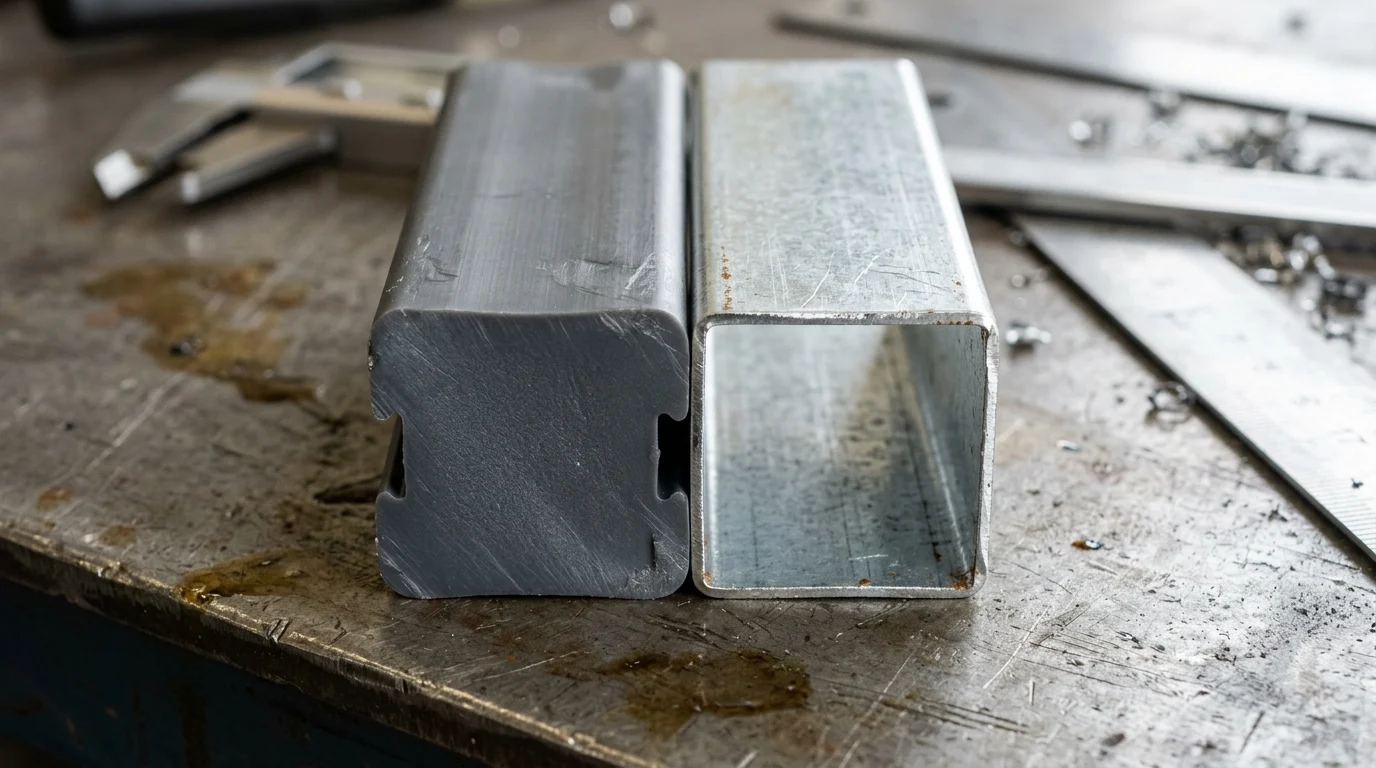
Swapping materials requires a calculated trade-off. While nylon offers numerous benefits, replacing structural metal components with plastic profiles demands careful engineering. To successfully transition to metal replacement plastics, engineers must closely examine the mechanical and environmental realities of the application.
Critical considerations include managing creep under sustained loads, mitigating static electricity buildup common with polymer conveyors, and utilizing metal inserts or specialized fastening strategies, as plastics cannot be bolted or welded in the exact same manner as steel.
Key Performance Factors to Evaluate
Evaluating a conveyor system for a material retrofit starts with comparing core mechanical properties. Metal possesses higher raw tensile strength, but conveyor wear parts rarely fail from tension—they typically fail from friction and surface fatigue. Here is a breakdown of how standard Extruded Nylon 6 (PA6) compares to common conveyor metals:
| Material | Density (g/cm³) | Tensile Strength (MPa) | Dynamic Friction (vs. Steel) | Relative Cost per Volume |
|---|---|---|---|---|
| Extruded Nylon 6 | 1.14 | 75 – 85 | 0.20 – 0.30 (Nylon-on-Steel) | Low |
| 304 Stainless Steel | 8.00 | 505 | 0.50 – 0.60 (Steel-on-Steel) | High |
| Aluminum 6061-T6 | 2.70 | 310 | 0.40 – 0.50 (Aluminum-on-Steel) | Medium |
As the table shows, while nylon does not match the tensile strength of 304 stainless steel, its density and friction advantages make it a superior choice for sliding contact parts.
Trade-Offs in Load, Temperature, Moisture, and Chemicals
Nylon does have environmental sensitivities that must be accommodated in system design. A primary consideration is moisture absorption. Standard PA6 can absorb water when fully saturated, which can cause dimensional swelling. When designing for high-washdown environments like meat processing plants, these tolerances must be calculated into the profile design.
Temperature is another limiting factor. Extruded nylon performs exceptionally well at room temperature, but its continuous operating ceiling is typically around 85°C to 100°C (185°F to 212°F). For conveyors running through high-heat curing ovens, metal remains the optimal choice. Furthermore, while nylon resists oils and greases well, highly concentrated strong acids will degrade it quickly. Mapping out chemical exposure is essential before making the switch.
How Buyers Specify and Source Custom Extruded Nylon
Once engineering assessments confirm nylon is the right fit, the next phase is procurement. Sourcing custom polymer profiles requires a different workflow than ordering off-the-shelf metal extrusions. Navigating this process and knowing how to specify custom extruded nylon efficiently can yield significant cost savings.
Steps for Replacing Metal with Nylon
The first step in procurement is standardizing cross-sections wherever possible. If a custom shape is required, extrusion tooling is generally much more affordable compared to injection molding, though costs vary based on complexity and hollow sections.
When approaching a manufacturer, clearly define Minimum Order Quantities (MOQs). Because setting up an extrusion line requires purging and calibration, suppliers typically require minimum production runs. Lead times for a brand-new custom profile account for tooling and first-article inspection, followed by full production. Requesting short prototype runs to test the fit on the conveyor frame is highly recommended before authorizing a full batch.
When Extruded Nylon Is the Right Choice
Ultimately, deciding to transition to engineered conveyor nylon parts requires a comprehensive evaluation of the operating environment. By carefully weighing the benefits of reduced friction, lower weight, and decreased noise against the limitations of load capacity and environmental exposure, facilities can successfully modernize their conveyor systems for long-term reliability.
Key Takeaways
- The most important conclusions and rationale for Extruded Nylon
- Specs, compliance, and risk checks worth validating before you commit
- Practical next steps and caveats readers can apply immediately
Frequently Asked Questions
Why use custom extruded nylon profiles instead of metal conveyor parts?
They reduce weight, friction, noise, and lubrication needs. For wear strips, chain guides, guide rails, and curved tracks, nylon can lower maintenance downtime and extend belt or chain life.
Which conveyor components are best suited for extruded nylon?
Extruded nylon is ideal for sliding and wear-contact parts such as chain guides, wear strips, star wheels, guide rails, and curved conveyor tracks where metal causes noise, friction, or abrasion.
Can extruded nylon replace structural steel parts in conveyors?
Not always. Nylon is best for wear and guide components, not heavy structural supports. Engineers should check load, creep, fastening design, and operating conditions before replacing metal.
What temperature range is suitable for extruded nylon conveyor profiles?
Standard extruded nylon typically performs well up to about 85°C to 100°C. For high-heat conveyor zones such as curing ovens, metal or another heat-resistant material may be better.
How should buyers specify custom extruded nylon profiles?
Provide drawings, dimensions, tolerances, material grade, operating temperature, load, speed, moisture exposure, and chemical contact. Jinggu Plastics can use these details to support custom profile production.
References
- How Plastic Extrusions Replace Metal in Modern Manufacturing
- Plastics Can Outperform Metals
- Conveyor belts for aluminum extrusion applications – Facebook
- The Advantages of Aluminum Profiles in Modular Conveyor Systems
- Engineering Plastics for Material Handling
- How Plastic Conveyor Parts Contribute to Lean Manufacturing …
- Articles – Tekno
- The Impact of Process Replacement on Sheet Metal Product Design
- Flexibility in Manufacturing: How Modular Conveyor Systems …
Post time: Jun-15-2026